The Human Cost
Communist regimes systematically killed an estimated 94–100 million people in the 20th century through executions, engineered famines, slave labor, and mass repression.
For specific Cheka and Bolshevik methods — not just the death tolls — see Atrocities.
At a Glance
- ~100 million total deaths from policy-driven causes
- China: 65M+ (mostly Great Leap Forward famine)
- USSR: 20M+ (Holodomor, purges, Gulag)
- Cambodia: ~2M (25% of population in 4 years)
- Executions, engineered famines, forced labor, and deportations were the main categories
- • Mass death no longer required — institutional capture and cultural pressure achieve similar power consolidation.
- • Engineered scarcity and control over speech/information still used as tools of social engineering.
- • "For the greater good" justifications continue in climate, equity, and public health policies.
- • The same class/identity framing reappears in contemporary activist language.
Major Regimes by Estimated Deaths (millions)
Sources: Black Book of Communism, Dikötter, Rummel, Conquest, Applebaum, UN reports.
Proportional share of the ~100 million total.
Landmark Atrocities
Each represents state policy on a massive scale. All numbers are scholarly estimates.
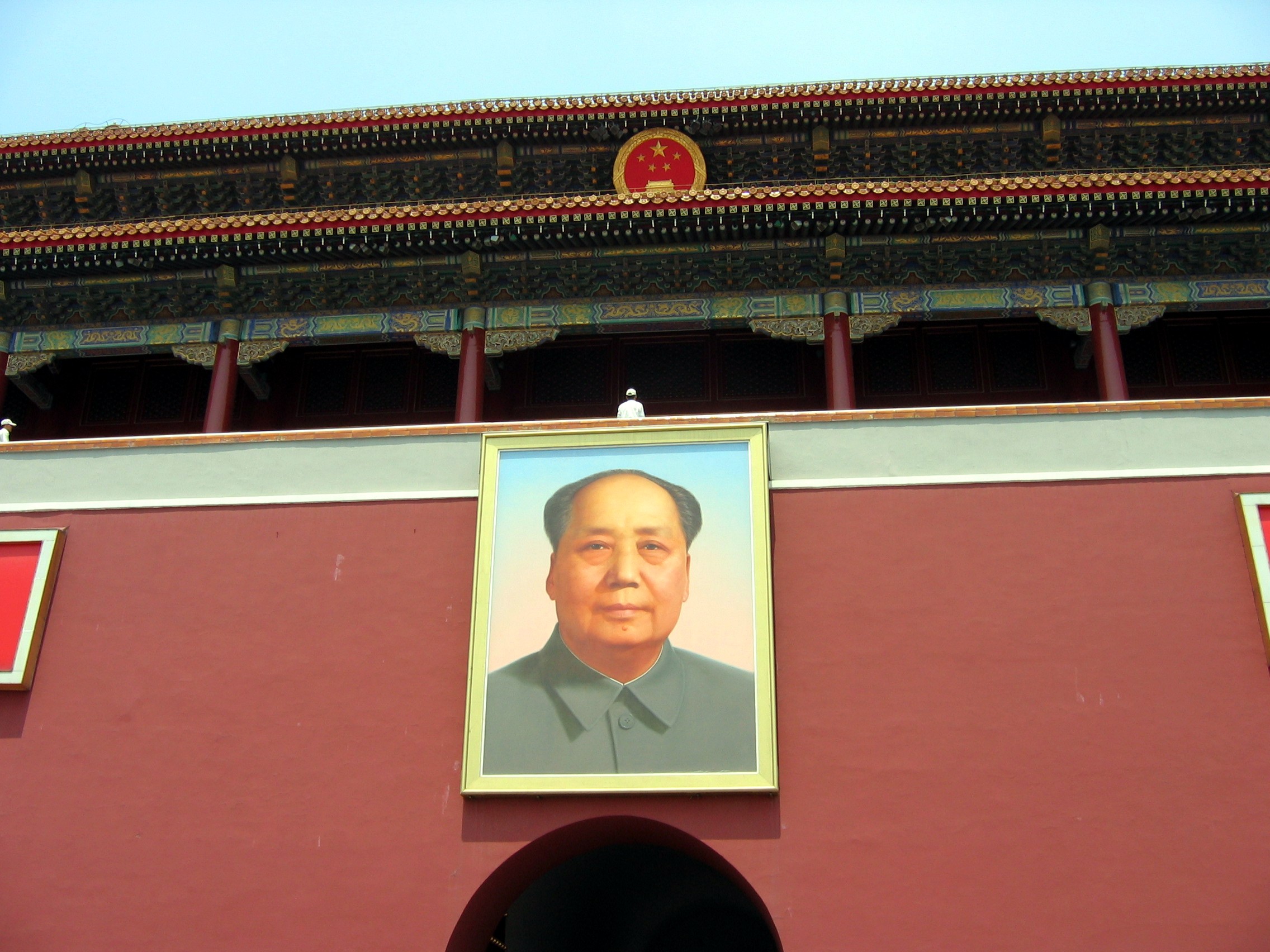
Mao’s radical collectivization and industrial drive produced the deadliest famine in history. Grain seizures, exaggerated production reports, and punishment of “rightists” led to mass starvation. Historian Frank Dikötter documents 30–45 million deaths from famine, violence, and overwork.
Stalin deliberately engineered famine in Ukraine by confiscating grain, blacklisting villages, and sealing borders to prevent escape. Recognized as genocide by numerous governments and scholars. Part of broader Soviet collectivization terror that also devastated Kazakhstan and other regions.

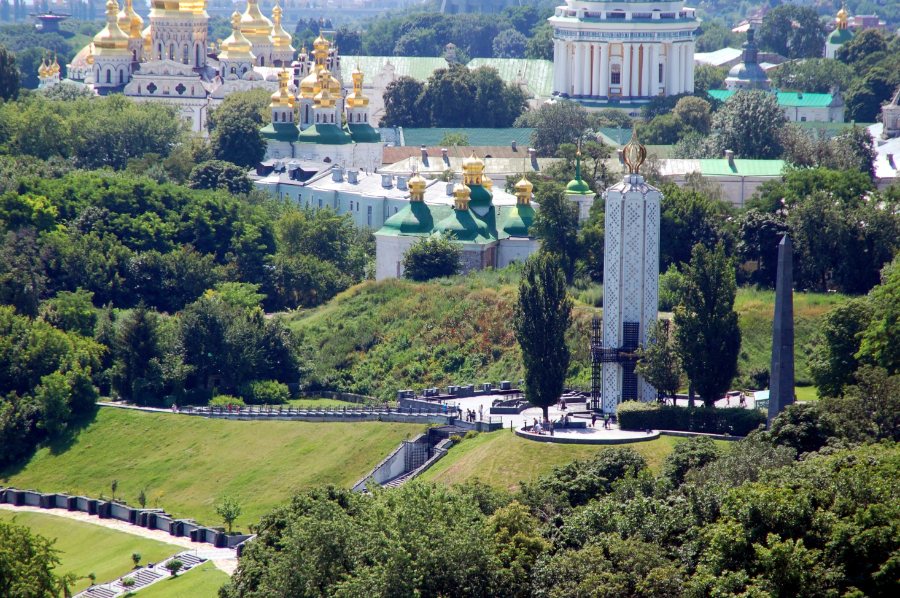
Pol Pot’s regime emptied cities, abolished money, private property, and religion, and forced the population into agrarian collectives. Roughly one quarter of Cambodia’s people died in four years from execution, starvation, and disease. Choeung Ek and other sites became mass graves.
Stalin’s terror quotas produced ~700,000–1M executions in 1937–38 alone. The Gulag forced-labor system held millions; up to 18 million passed through over decades. Ethnic deportations (Crimean Tatars, Chechens, etc.) killed hundreds of thousands. Solzhenitsyn later documented the system.
Methods of Mass Death
Targeted killings of “class enemies,” political opponents, military officers, intellectuals, and quotas of suspects. Show trials, NKVD troikas, and public executions normalized terror.
Food as a weapon. Grain requisitions continued during starvation; borders sealed; villages punished for resisting collectivization. Not natural disasters.
Gulag (USSR), Laogai (China), re-education camps (Vietnam, Cambodia). Prisoners worked to death building canals, mines, and infrastructure under lethal conditions.
Entire peoples moved in cattle cars to remote areas with no preparation. High mortality from cold, hunger, and disease. Targeted “unreliable” ethnic groups.
Voices from the Record
“The famine was a result of the policy of the Soviet government... It was not a natural disaster but a man-made one.”
— Compiled in Robert Conquest, The Harvest of Sorrow
“A great writer is, so to speak, a second government in his country. And for that reason no regime has ever loved great writers, only minor ones.”
— The Gulag Archipelago
“In Xinyang... the death rate reached 50 per cent in some villages. People were eating the bark off trees... In some villages, everyone had died.”
— Frank Dikötter, Mao’s Great Famine
“We were like animals... Beaten for no reason, eating rats and insects to survive.”
— Multiple testimonies before UN Commission of Inquiry
In Perspective
Communist regimes produced the largest man-made death toll of the 20th century. For scale:
- Nazi Germany (Holocaust + other democide + war-related civilian deaths): estimates commonly 17–25 million.
- Total deaths associated with World War II (all causes): ~70–85 million.
- The communist toll was concentrated in peacetime policies over decades, not battlefield combat.
Figures from R.J. Rummel Death by Government, Black Book of Communism, and other demographic historians. Exact comparisons involve methodological choices; the core point remains the immense scale achieved by these regimes through internal repression.